Introduction: Understanding the Rise of Lufanest
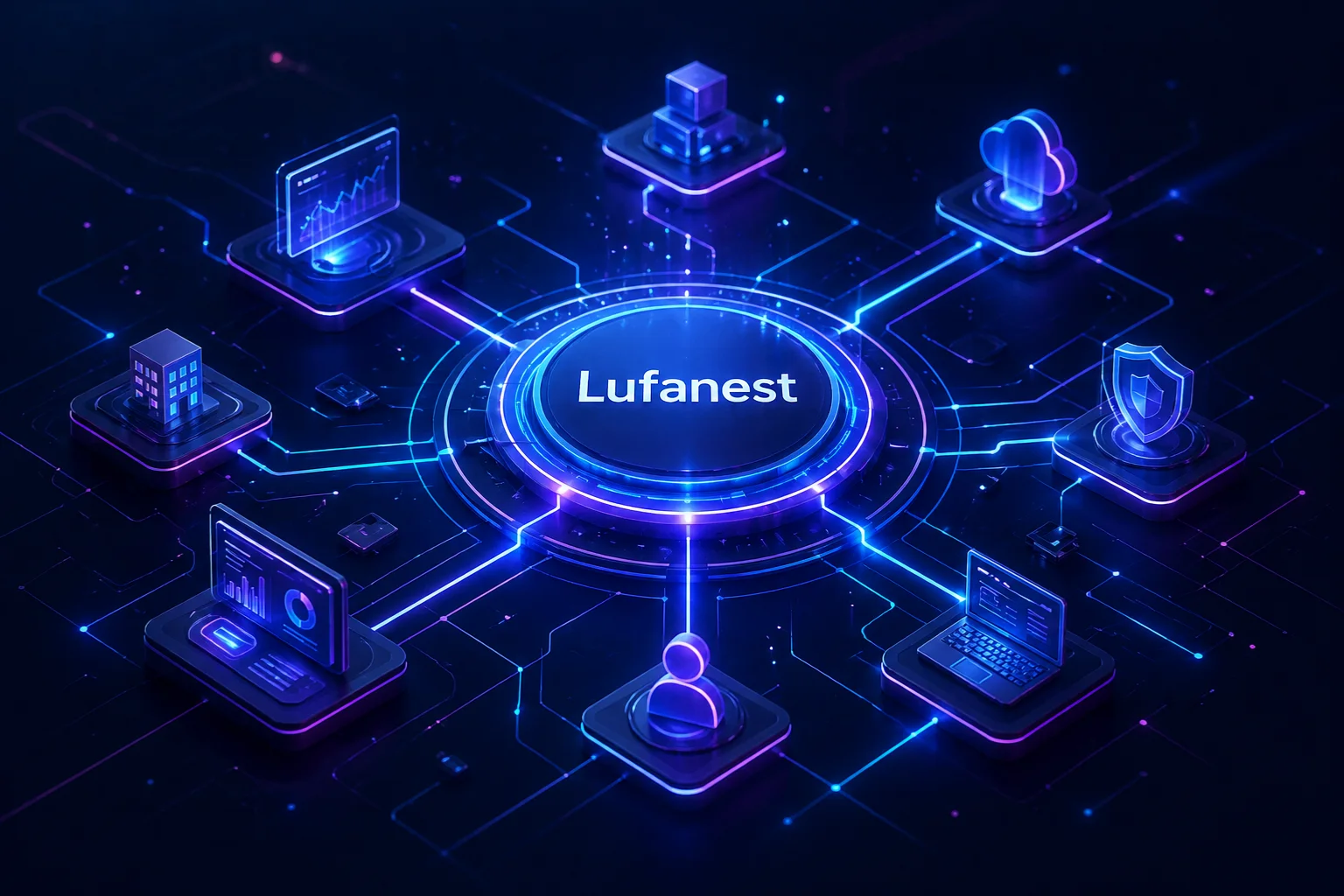
In today’s fast-moving digital world, new concepts often emerge before they are fully defined. Lufanest is one of those modern terms that has started gaining attention across technology, design, branding, and digital culture. Unlike traditional keywords tied to a specific product or company, Lufanest represents a broader idea—one that reflects how people want to interact with systems, spaces, and digital environments.
At its core, Lufanest is not a fixed platform or tool. Instead, it is a conceptual framework that blends structure, flexibility, comfort, and innovation. It reflects a growing need for systems that are organized but not overwhelming, advanced but still human-friendly.
This guide provides a complete, in-depth understanding of Lufanest—from its basic meaning to advanced applications, real-world examples, challenges, and future potential.
What is Lufanest?
Simple Definition
Lufanest is a conceptual term used to describe structured yet flexible systems where ideas, tools, or environments work together in a balanced way.
It is:
- Not a software or app
- Not a medical product
- Not a single platform
Instead, it is a design philosophy and digital concept used across different industries.
Meaning Behind the Word
The term is usually broken into two parts:
- “Lufa” → lightness, innovation, flexibility
- “Nest” → safety, structure, organization
Together, Lufanest represents:
A system that is both comfortable and innovative, structured yet adaptable.
Core Principles of Lufanest
1. Balance Between Structure and Flexibility
Lufanest promotes systems that are organized but not rigid.
2. Human-Centered Design
It focuses on user comfort, clarity, and ease of use.
3. Simplicity Over Complexity
Instead of adding features, it removes unnecessary clutter.
4. Adaptability
Systems evolve based on user needs rather than forcing fixed behavior.
5. Sustainability
It supports long-term usability and efficient design practices.
These principles make Lufanest applicable across technology, lifestyle, and creative fields.
How Lufanest Works (Conceptual Framework)
Lufanest works as a guiding approach, not a tool.
It focuses on:
- Connecting systems instead of isolating them
- Reducing complexity in workflows
- Designing around human behavior
- Creating smooth, distraction-free environments
In digital ecosystems, this means:
- Clean interfaces
- Unified platforms
- Logical workflows
Instead of overwhelming users, Lufanest systems aim to create a natural flow of interaction.
Real-World Applications of Lufanest
1. Digital Platforms and Ecosystems
Lufanest is used to describe systems where:
- Multiple tools work together
- User experience is simplified
- Processes feel connected
2. Content Creation and Blogging
In blogging:
- Focus shifts from quantity to quality
- Content becomes structured and meaningful
- Workflows reduce burnout
3. Design and Architecture
Lufanest-inspired spaces include:
- Modular layouts
- Eco-friendly materials
- Flexible environments
4. Branding and Startups
Businesses use Lufanest thinking to:
- Build adaptable brand systems
- Create user-focused products
- Improve customer experience
5. Lifestyle and Productivity
It also works as a mindset:
- Balanced routines
- Organized life systems
- Reduced digital overload
Case Studies and Practical Examples
Example 1: Minimal Digital Workspace
A dashboard with only essential tools:
- No clutter
- Clear navigation
- Focused workflow
This reflects Lufanest’s simplicity and usability.
Example 2: Blogging Ecosystem
A platform that:
- Encourages meaningful content
- Reduces distractions
- Supports creators long-term
This aligns with sustainable creativity principles.
Example 3: Smart Living Spaces
Homes designed with:
- Natural light
- Flexible layouts
- Smart systems
This shows how Lufanest connects technology with comfort.
Expert Tips, Strategies, and Best Practices
Keep Systems Simple
Avoid overcomplicating tools or workflows.
Design for Humans First
Always prioritize usability over technical complexity.
Build Connected Environments
Ensure tools and processes work together smoothly.
Focus on Flow
Users should move naturally from one step to another.
Avoid Feature Overload
More features do not always mean better experience.
Common Challenges and Solutions
Challenge 1: Confusion About Meaning
Many people think Lufanest is a product.
Solution:
Treat it as a concept or framework.
Challenge 2: Overuse in Branding
Some brands use it without clear purpose.
Solution:
Apply it with context and clarity.
Challenge 3: Lack of Standard Definition
There is no fixed definition.
Solution:
Use it as a flexible concept adapted to your field.
Future Trends and Predictions
Lufanest is expected to grow in importance as digital systems evolve.
1. AI and Automation Systems
More human-friendly AI interfaces will follow Lufanest principles.
2. UX/UI Design Evolution
Minimal, intuitive interfaces will dominate.
3. Smart Ecosystems
Connected systems will replace isolated tools.
4. Sustainable Innovation
Focus on efficiency, simplicity, and long-term usability.
5. Digital Identity Spaces
Lufanest may evolve into the idea of a “digital home” for identity and creativity.
Actionable Takeaways and Implementation Steps
If you want to apply Lufanest:
Step 1: Simplify Your System
Remove unnecessary tools and processes.
Step 2: Organize Your Workflow
Create clear structure without rigidity.
Step 3: Focus on User Experience
Think from the user’s perspective.
Step 4: Build Flexible Systems
Allow adaptability and future growth.
Step 5: Maintain Balance
Combine innovation with simplicity.
Frequently Asked Questions (FAQ)
1. Is Lufanest a real product or platform?
No, it is a conceptual idea, not an official product.
2. What does Lufanest mean in simple terms?
It means a structured yet flexible system designed for comfort and efficiency.
3. Why is Lufanest becoming popular?
Because people want simpler, more user-friendly systems in a complex digital world.
4. Is Lufanest related to technology?
Yes, it is widely used in digital systems, UX design, and online ecosystems.
5. Can businesses use Lufanest?
Yes, it is useful for branding, product design, and workflow optimization.
6. Is Lufanest a design philosophy?
Yes, it is often treated as a modern design and system-thinking approach.
7. Does Lufanest have a fixed definition?
No, its meaning changes depending on context.
8. What is the future of Lufanest?
It may become a recognized concept in design, technology, and digital culture.
Final Conclusion
Lufanest is not just a trending keyword—it represents a shift in how people think about systems, technology, and everyday experiences. It promotes a balance between structure and flexibility, innovation and comfort, simplicity and functionality.
As digital environments continue to evolve, concepts like Lufanest will play a key role in shaping how we design, interact, and live within modern systems.