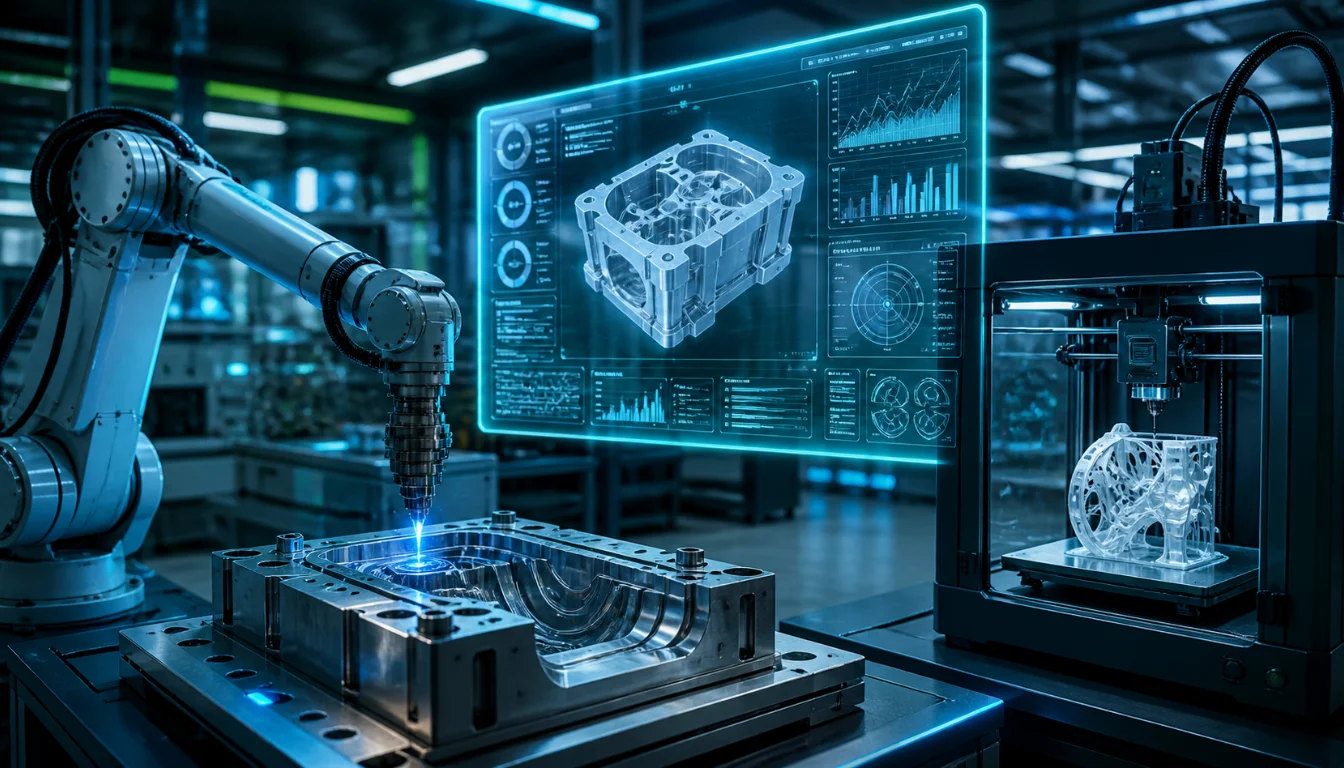
Repmold has emerged as a pivotal player in the mold replication industry, offering innovative solutions that cater to diverse manufacturing needs. This guide delves deep into what makes Repmold a standout choice for businesses seeking efficiency and flexibility in industrial mold making. Whether you’re an engineer, a product designer, or a procurement officer, this comprehensive resource will equip you with the insights needed to make informed decisions about incorporating Repmold into your processes.
What is Repmold?
Repmold is a sophisticated technology that specializes in replica mold manufacturing. Unlike traditional mold-making methods, Repmold employs cutting-edge techniques that streamline production cycles, enhance design flexibility, and reduce costs. Founded with an emphasis on innovation, Repmold has quickly become a leader in the field, recognized for its ability to deliver custom solutions that meet the unique demands of various industries.
History and Evolution
Originally conceptualized to address the limitations of conventional mold-making, Repmold has evolved through continuous innovation. Early iterations focused on basic replication, but advances in material science and technology have expanded its capabilities significantly. Today, Repmold is not only a tool for manufacturing but also a driver of sustainable practices and digital transformation in the industry.
Benefits of Using Repmold
Cost Efficiency
Repmold technology is designed to optimize resource usage, significantly reducing material waste and labor costs. By shortening the production cycle and minimizing tooling requirements, companies can achieve substantial savings.
Design Flexibility
The ability to produce complex geometries with ease is a hallmark of Repmold. This flexibility allows for rapid prototyping and the creation of intricate designs that traditional methods struggle to replicate.
Sustainability
With a growing emphasis on eco-friendly manufacturing, Repmold incorporates sustainable practices by using recyclable materials and reducing the carbon footprint of the production process.
How Repmold Works
Technology Overview
At its core, Repmold utilizes advanced Casting molds and Prototype molding techniques. By integrating 3D printing and computer-aided design (CAD), the process allows for precise mold creation that meets high-quality standards.
Step-by-Step Process
- Design Phase: Utilizing CAD software, designers create a digital model of the desired product.
- Material Selection: Choose appropriate materials based on the application and desired properties.
- Mold Fabrication: Employ 3D printing and other techniques to fabricate the mold with precision.
- Replication: Use the mold to produce replicas, ensuring consistency and accuracy.
- Quality Control: Conduct thorough inspections to ensure each product meets the defined standards.
Applications of Repmold
Key Industries
Repmold finds applications across a multitude of sectors, including automotive, consumer electronics, and aerospace. In aerospace, for instance, Repmold is used to create lightweight components that are both durable and efficient.
Notable Case Studies
One standout example is Repmold’s role in the production of customized engine components for a leading automotive manufacturer. By leveraging Repmold, the company reduced its production time by 30%, leading to faster time-to-market and increased competitiveness.
Choosing a Repmold Service
Important Criteria
When selecting a Repmold service provider, consider factors such as experience, technological capabilities, and customer support. An ideal provider should offer a comprehensive suite of Repmold services tailored to your specific needs.
Expert Tips
- Ensure the provider has a proven track record in your industry.
- Look for flexibility in customization and rapid prototyping capabilities.
- Evaluate the provider’s commitment to sustainability and innovation.
Repmold vs. Traditional Methods
While traditional methods rely heavily on manual labor and extensive tooling, Repmold offers a more streamlined approach. Key advantages include reduced production cycles, enhanced design capabilities, and greater cost-effectiveness. However, businesses must weigh these benefits against initial setup costs and the need for skilled operators.
Future Trends and Predictions
The future of Repmold is promising, with anticipated advancements in automation and additive manufacturing. As technology evolves, we expect Repmold to further integrate with digital systems, enhancing efficiency and customization capabilities. Moreover, sustainability will remain a focal point, with ongoing developments aimed at reducing environmental impacts.
Actionable Takeaways and Implementation Steps
- Assess Compatibility: Determine how Repmold aligns with your current manufacturing systems.
- Invest in Training: Equip your team with the skills needed to operate new technologies effectively.
- Partner Strategically: Collaborate with reputable Repmold providers to leverage their expertise.
- Monitor and Evaluate: Regularly assess the performance and impact of Repmold on your processes.
FAQs about Repmold
- What is Repmold used for?
Repmold is used for precise mold replication in various industries, enabling efficient production of complex designs. - How does Repmold save costs?
By reducing material waste, minimizing tooling needs, and shortening production cycles, Repmold significantly cuts down costs. - What industries benefit most from Repmold?
Automotive, aerospace, and consumer electronics are key industries that benefit from Repmold’s capabilities. - How to choose a Repmold service provider?
Look for experience, technological capabilities, and a strong commitment to customer service. - What are the environmental impacts of Repmold’s manufacturing processes? Repmold focuses on sustainability by using recyclable materials and reducing its carbon footprint.
- How does Repmold compare to traditional mold-making methods?
Repmold offers enhanced design flexibility, cost savings, and efficiency compared to traditional methods. - Can Repmold be applied in small-scale production?
Yes, Repmold’s adaptability makes it suitable for both large-scale and small-scale productions.
Repmold represents a significant advancement in mold replication technology, offering unmatched benefits in efficiency and design flexibility. Whether you’re considering adopting Repmold or looking to optimize your current processes, this guide provides the insights needed to harness its full potential. Start exploring Repmold solutions today to stay ahead in the competitive landscape of manufacturing.