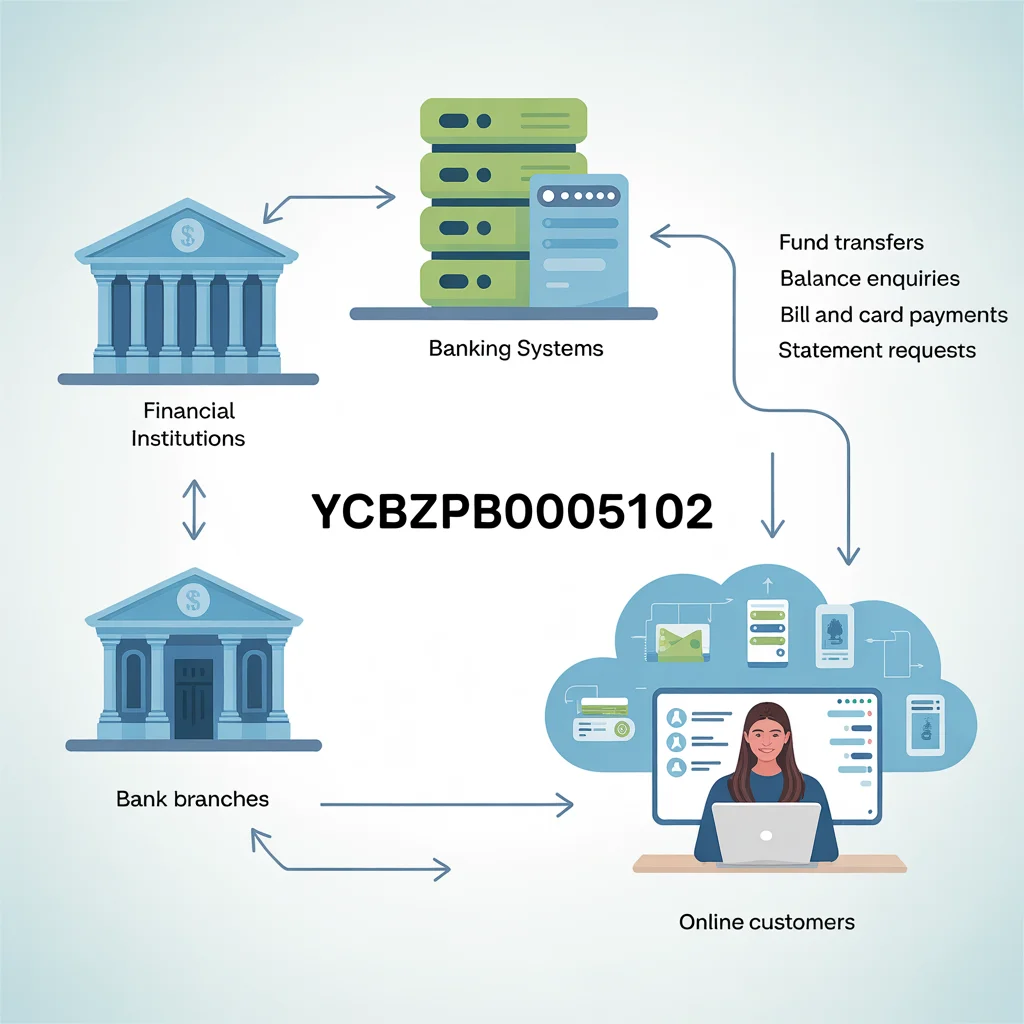
In today’s data-driven world, organizations and digital systems rely heavily on structured identification mechanisms to manage, track, and secure information. Unique codes, such as YCBZPB00005102, play a critical role in ensuring that records, transactions, and internal processes are easily traceable, accurate, and standardized. Understanding these codes helps both businesses and individuals navigate modern digital environments more effectively.
What Is YCBZPB00005102 and Why It Matters
YCBZPB00005102 is an alphanumeric reference code that serves as a unique identifier within structured systems. These codes are widely used in banking, enterprise databases, transaction tracking, and administrative processes. At their core, they are designed to provide precision, reduce errors, and maintain the integrity of large volumes of data.
In practical terms, such codes are essential for systems that require accuracy and accountability. They allow organizations to link specific records, verify information, and ensure reliable tracking of activities, which is increasingly important as digital operations grow in complexity.
Also, explore 0800 033 8055: A Complete Informational Guide for Users
Core Concept of YCBZPB00005102
The main principle behind YCBZPB00005102 is unique identification. Each code is structured to represent a single entity or record within a system, ensuring that no two entries are confused or duplicated. This principle enables organizations to maintain order and efficiency in digital operations, providing a foundation for data integrity, audit compliance, and automated workflows.
Key Characteristics and Features
Uniqueness and Consistency
Each code is unique, ensuring that it points to one specific record. Standardized formatting allows systems to validate and recognize these codes instantly.
Security and Privacy
While the code itself may not contain sensitive data, it is linked to records that often require controlled access. Systems typically implement encryption, access restrictions, and audit logs to protect associated information.
Scalability and Longevity
Structured identifiers are designed to handle growth. Even as databases expand, these codes remain effective without needing major structural changes.
Accuracy and Traceability
Reference codes reduce human error, simplify data retrieval, and ensure that records can be tracked and verified at any point in their lifecycle.
Practical Applications Across Industries
Financial Systems
In banking and payment environments, reference codes are crucial for tracking transactions, reconciling accounts, and resolving discrepancies efficiently. They support audit processes and regulatory compliance.
Enterprise and Administrative Databases
Organizations use unique identifiers to manage workflow approvals, internal documentation, and record histories. This ensures smooth collaboration across departments and accurate reporting.
Digital Platforms and Automation
Automated software systems rely on these codes to trigger processes, link workflows, and maintain system interoperability. This helps applications communicate accurately and execute tasks seamlessly.
Broader Business and Individual Use
From customer support ticketing to digital inventory management, unique identifiers like YCBZPB00005102 improve operational reliability, reduce errors, and provide a clear trail of data history.
Benefits for Businesses and Individuals
-
Reliability: Ensures that every record can be accurately identified and retrieved.
-
Efficiency: Simplifies tracking, auditing, and system management.
-
Security: Supports controlled access and protects linked data.
-
Long-Term Value: Structured codes maintain consistency over time, even as systems scale.
Frequently Asked Questions (FAQs)
1. What is YCBZPB00005102 used for?
It is a unique identifier used to track specific records or transactions in structured systems.
2. Is this code linked to sensitive information?
The code itself is not sensitive, but it may point to records that require secure handling.
3. Can these identifiers be reused?
Typically, no. Reusing codes can compromise data integrity and traceability.
4. Why are alphanumeric codes preferred?
Alphanumeric codes allow for more combinations, better categorization, and greater scalability than numeric-only codes.
5. How do organizations ensure the accuracy of these codes?
Through automated validation, system checks, and regular audits to maintain consistency.
Conclusion
YCBZPB00005102 exemplifies the importance of structured identification in modern digital and organizational environments. By providing unique, traceable, and secure references, these codes help businesses and individuals manage data effectively, enhance operational efficiency, and support long-term scalability. Understanding the function and benefits of such identifiers is essential in today’s increasingly interconnected digital world.