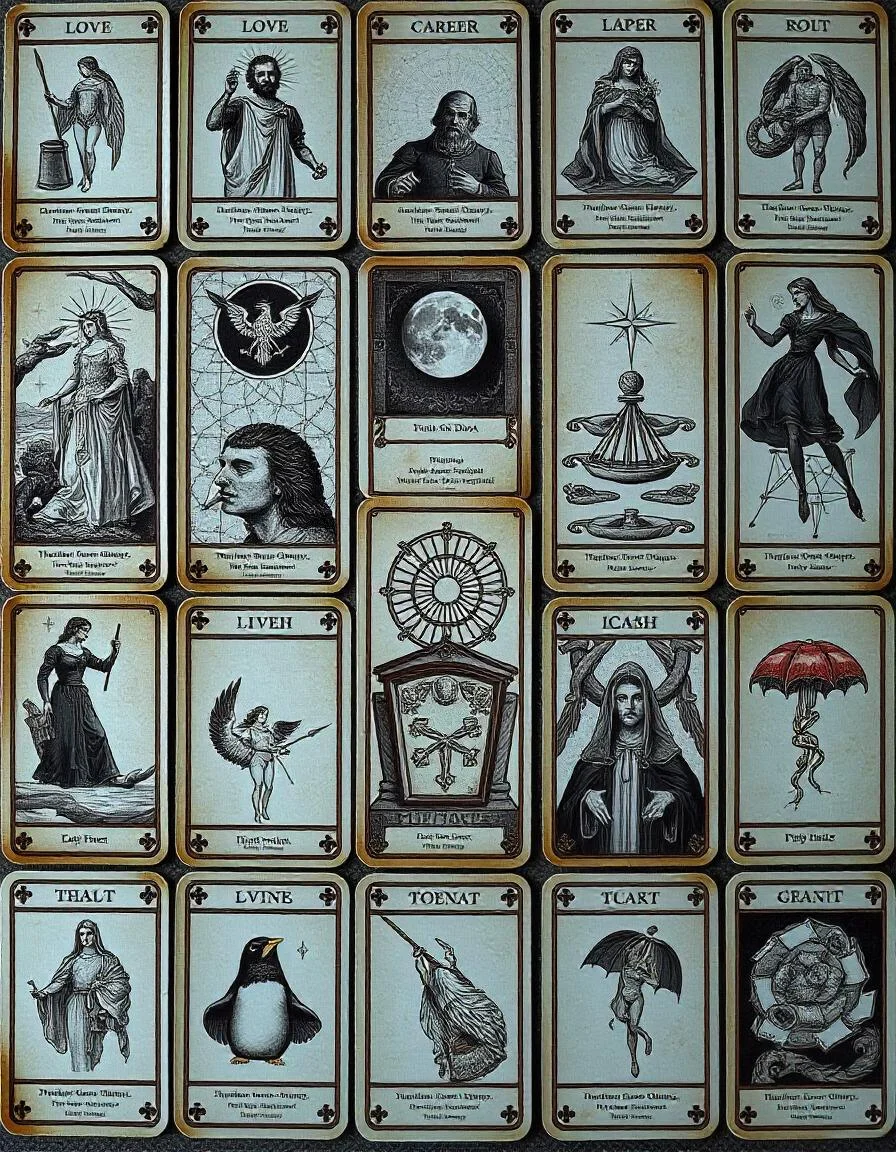
The Grand Tableau is one of the most intricate and powerful methods used in Lenormand card reading. This spread uses all 36 cards from the deck, offering a wide-ranging perspective on various life aspects. Whether you’re a beginner or an experienced reader, understanding the Grand Tableau can deepen your practice and provide rich insights into any situation. In this guide, we’ll explore the Grand Tableau, comparing it with other techniques, and offer tips on how to use it effectively in your readings.
Understanding the Basics of the Grand Tableau
The Grand Tableau is a large spread in which all 36 cards of the Lenormand deck are laid out. Each card represents a specific “house” or life area, and its meaning is influenced by its surrounding cards. In this spread, the positions of the cards are just as important as their individual meanings, creating a comprehensive map of the querent’s life.
One of the key benefits of the Grand Tableau is its ability to provide a full picture. Unlike smaller spreads that focus on specific questions or areas of life, the Grand Tableau explores multiple aspects, including relationships, career, health, and personal growth. Understanding how each card interacts with its neighbors can offer valuable insights into the querent’s situation.
Grand Tableau vs. Other Lenormand Techniques
While the Grand Tableau is one of the most complex Lenormand spreads, there are other techniques that readers use to interpret the cards. These include smaller spreads, such as the three-card spread, or specific techniques like the Knighting method, which involves looking for connections between cards based on their positions in the spread.
Why the Grand Tableau Stands Out
Unlike these simpler methods, the Grand Tableau offers a more holistic view of the querent’s life. It can help identify long-term trends, uncover hidden influences, and highlight both challenges and opportunities. If you’re familiar with tarot readings, the Grand Tableau might feel similar to a “life spread” that offers an overview of the past, present, and future. While smaller Lenormand spreads give insights into specific situations, the Grand Tableau can provide a more detailed and thorough understanding of a querent’s entire life cycle.
How to Set Up the Grand Tableau
To read the Grand Tableau, begin by placing the 36 cards in a grid, typically in a 6×6 format. Each card’s position corresponds to a particular “house” or life area, and understanding these positions is crucial to unlocking the meaning of the spread.
Understanding the Houses of the Grand Tableau
Here’s a brief overview of the houses and their meanings:
- House of the Rider: Represents messages and news.
- House of the Clover: Symbolizes luck and happiness.
- House of the Ship: Indicates travel or movement.
- House of the House: Relates to home life and family.
- House of the Tree: Concerns health and well-being.
- House of the Clouds: Represents confusion and obscurity.
- House of the Snake: Refers to desires and potential deception.
- House of the Coffin: Suggests endings or things being repressed.
- House of the Bouquet: Symbolizes gifts and appreciation.
- House of the Scythe: Highlights sudden events or cutting away.
… and so on, continuing through all 36 houses. Each card placed within these houses offers unique insights into the querent’s life, depending on its proximity to other cards, the card itself, and the life area it represents.
The Significance of Card Positions in the Grand Tableau
In the Grand Tableau, the position of each card has a significant influence on its meaning. Some positions are more critical than others, such as the House of the Rider or the House of the Cross, which offer overarching insights into a situation.
The Role of the Significator
One of the most critical positions is the significator, which represents the querent. If the querent is a woman, the House of the Woman will act as the significator, and if the querent is a man, the House of the Man will be used.
Key Houses and Their Impact
Other significant cards are the House of the Heart (representing love and relationships), the House of the Fish (representing finances), and the House of the Key (indicating important opportunities or revelations). The way these cards interact with other cards in the spread can help you identify areas of strength or weakness in the querent’s life.
Interpreting the Grand Tableau: A Step-by-Step Guide
Interpreting the Grand Tableau can feel overwhelming at first due to the number of cards involved. However, breaking the process down into manageable steps can help.
Step 1: Start with the Significator
Identify the significator card, as it will give you a clear focal point for the reading. This card will help you see where the querent is in their life and what key influences are at play.
Step 2: Look for Card Pairings
Examine pairs of cards in the same house. For example, if the House of the Rider (messages) contains the Birds (gossip or communication), it may indicate that the querent is receiving important news through social channels or a lot of noise surrounding their situation.
Step 3: Assess the Flow of the Cards
Study the general flow of the cards. How do the positive cards connect with the negative ones? Is there a balance of harmony, or do you see significant tension between certain houses? This can help you understand the overall tone of the reading.
Step 4: Focus on Key Cards
Pay special attention to key cards like the Fish (finances), Heart (relationships), Ring (commitments), and Cross (burdens). These cards can give you insights into the querent’s priorities and challenges.
Step 5: Interpret the Near and Far Effect
Similar to the “near and far” concept discussed in other readings, cards placed closer to the significator will have a stronger influence on the querent. This principle helps you determine which areas of life are most important in the current moment.
Case Studies: Real-Life Examples Using the Grand Tableau
Example 1: Love and Relationships
Imagine the House of the Heart contains the Birds (communication), Ring (commitment), and Heart (emotions). This combination might suggest a passionate relationship, but one that requires open communication to thrive. If the Snake (deception) is nearby, it could indicate some tension or hidden issues within the relationship.
Example 2: Career and Work
If the House of the Fish (finances) contains the Bear (authority) and the Tower (structure), it may suggest the querent’s career involves significant authority figures, such as a boss or mentor, and is stable, but may lack flexibility. The presence of the Stork (change) nearby may indicate upcoming shifts in the career path.
Common Mistakes When Interpreting the Grand Tableau
- Overlooking the Context of the Cards: It’s easy to focus too much on individual card meanings, but context is key. How do the cards interact with one another? Pay attention to the surrounding cards.
- Ignoring the Timeline: The Grand Tableau can indicate both immediate and long-term events. Pay attention to which cards are near or far from the significator to understand what’s currently unfolding and what’s on the horizon.
- Getting Stuck in a Single Area: While it’s tempting to focus on one aspect of life, the Grand Tableau offers insights into all areas of life. Be sure to address each house and the connections between them.
Conclusion: Mastering the Grand Tableau
The Grand Tableau is one of the most powerful and detailed Lenormand spreads available, offering a deep and holistic look into a person’s life. By understanding how to read each house and interpreting the cards in their context, you can uncover hidden truths and provide invaluable insights to your querent.
With practice, the Grand Tableau will become a staple in your Lenormand reading practice, allowing you to offer detailed and nuanced readings that help guide and inform your querents’ lives.