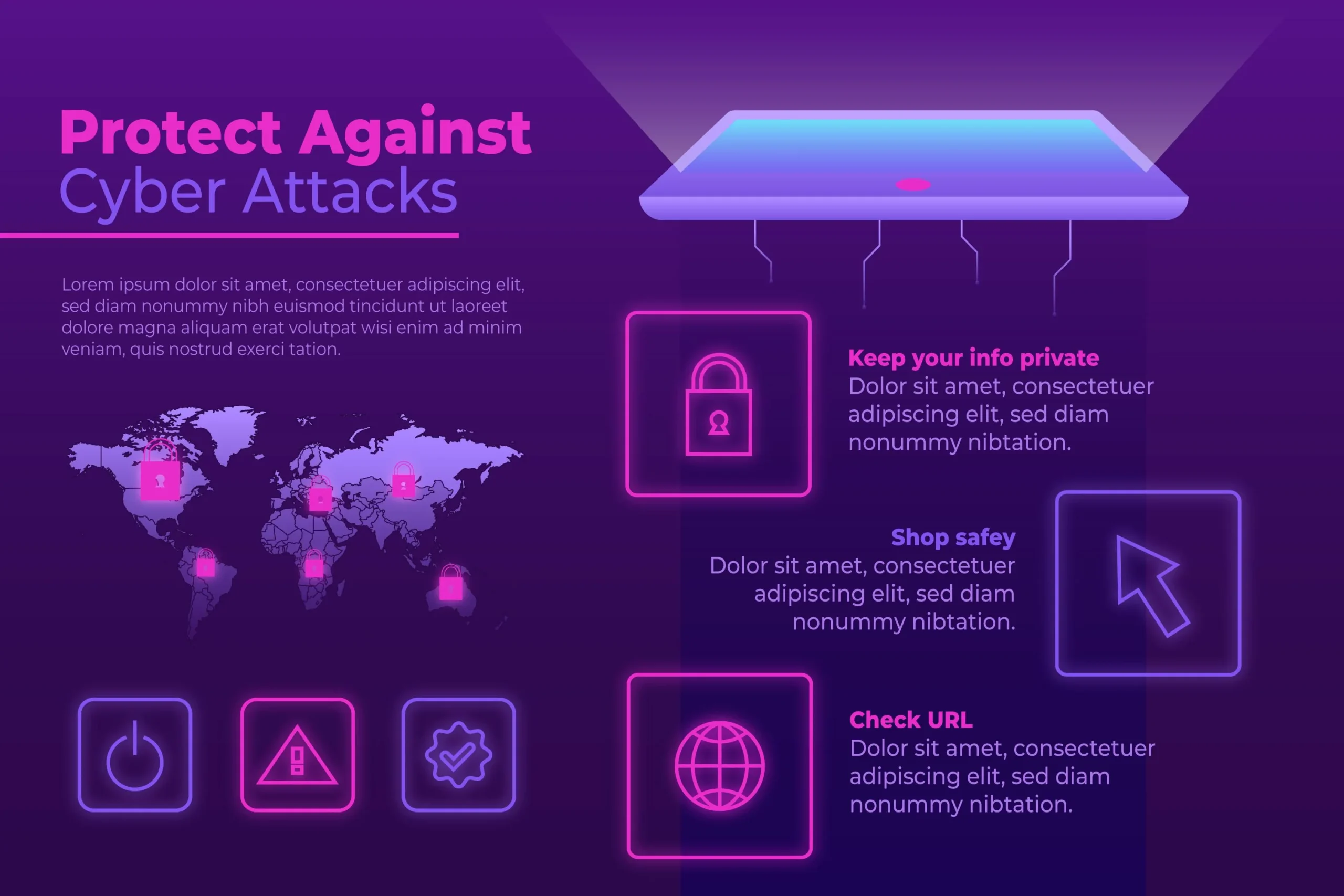
Introduction to Cyber Security
In today’s increasingly connected world, businesses in the UK face significant challenges when it comes to securing their digital infrastructure. With growing dependence on online systems, ensuring the protection of sensitive data is vital to maintaining trust and safeguarding against threats. Cyber security isn’t just a matter of protecting systems—it’s about protecting your business’s reputation, customer information, and overall success. As cybercrime continues to evolve, businesses in the UK need to stay one step ahead to avoid data breaches and costly cyber attacks.
Why Cyber Security is Crucial in the Digital Age
As businesses become more reliant on digital tools, networks, and data storage, they also become more susceptible to cyber threats. The increased reliance on the internet, cloud services, and mobile devices exposes businesses to a variety of risks. Whether it’s customer information, financial records, or intellectual property, keeping that data secure is essential.
Cyber security encompasses various practices designed to protect systems, networks, and data from malicious attacks. As the nature of cyber threats becomes more sophisticated, businesses must continuously update their strategies to address new risks.
The Growing Threat of Cyber Attacks
Cyber attacks are no longer a rare occurrence; they’re becoming an everyday threat. The UK alone has witnessed a significant rise in cybercrime, and businesses are prime targets for hackers. Cyber attackers use various methods such as malware, phishing, ransomware, and denial-of-service (DoS) attacks to infiltrate networks and disrupt operations.
In fact, the sophistication of cyber attacks is rapidly increasing. As businesses expand their digital footprint, they are inadvertently exposing themselves to greater vulnerabilities. Whether you’re a small business or a large corporation, the risks are real and growing.
Types of Cyber Attacks That Threaten UK Businesses
Understanding the types of cyber attacks that can compromise your business is crucial in forming a strong defense plan. The most common forms of cyber attacks targeting businesses include:
- Phishing Attacks: Hackers use fake emails or websites to trick employees into revealing sensitive information such as passwords and bank details.
- Ransomware: This malicious software locks down critical data or systems and demands payment in exchange for restoring access.
- Malware: Malicious software designed to damage, disrupt, or gain unauthorized access to a system.
- Denial-of-Service (DoS): Attackers overload a website or network, making it unavailable to users, often causing significant business downtime.
Cyber attacks often exploit vulnerabilities in systems, so businesses need to invest in robust defenses to protect against these malicious activities.
Cyber Security for Businesses in the UK: Key Protection Strategies
Cyber security isn’t just for IT departments—it’s a critical part of every business’s operations. A strong cyber security strategy protects your data, operations, and ultimately your business’s reputation. Here are some key measures businesses should implement:
- Firewalls & Anti-virus Software: These tools form the first line of defense against cyber threats by blocking unauthorized access and detecting malicious software.
- Employee Training: Employees are often the first line of defense. Regular training helps them recognize phishing emails, understand password protocols, and be aware of potential cyber risks.
- Data Encryption: Encrypting sensitive data ensures that even if it’s intercepted, it remains unreadable without proper access.
- Secure Backups: Regularly backing up critical data is a must. Backups ensure that businesses can recover quickly in case of a ransomware attack or system failure.
These strategies, when applied consistently, can mitigate the risk of a successful cyber attack and limit potential damage.
The Role of Passwords and Authentication in Cyber Security

A significant portion of cyber attacks occur due to weak or compromised passwords. Ensuring that employees and business partners use strong, unique passwords is a simple yet essential measure to protect sensitive data.
Best Practices for Creating Strong Passwords:
- Use a mix of upper and lower case letters, numbers, and symbols.
- Ensure passwords are at least 12 characters long.
- Avoid using personal information (e.g., birthdays) in passwords.
Two-Factor Authentication (2FA) is another effective method for adding an extra layer of security. By requiring two forms of verification—like a password and a unique code sent via SMS or email—businesses can dramatically reduce the chances of unauthorized access.
Preventing Social Engineering Attacks
Social engineering attacks are psychological tactics used by cybercriminals to manipulate people into divulging confidential information. These attacks can take the form of fraudulent phone calls, fake emails, or deceptive websites.
How to Protect Against Social Engineering:
- Employee Awareness: Regularly educate staff on the dangers of social engineering and how to identify phishing attempts.
- Verification: Always verify requests for sensitive information through a separate communication channel, such as phone calls or video chats.
- Caution with Personal Information: Employees should avoid sharing too much personal information online, as this can be used to manipulate them.
Being vigilant is the key to preventing these attacks, as they often prey on human error.
How to Protect Your Business from Cyber Threats
To effectively protect your business from cyber threats, you need a comprehensive and multi-layered security approach. The following actions can help fortify your business against cyber criminals:
- Install Reputable Security Software: Use well-known anti-virus and anti-malware tools to prevent, detect, and eliminate threats.
- Regular System Updates: Keep all software, including security patches, up to date to prevent vulnerabilities that can be exploited by hackers.
- Limit Access to Sensitive Data: Implement strict access controls and ensure that only authorized personnel can access sensitive information.
- Incident Response Plan: Create and practice an incident response plan so that, in the event of a cyber attack, your team knows exactly what to do.
A proactive approach, along with ongoing maintenance, can help businesses stay one step ahead of cybercriminals.
Cyber Security Regulations and Compliance for Businesses in the UK
The UK government has stringent laws and regulations regarding data protection. Businesses must comply with laws such as the General Data Protection Regulation (GDPR) and the Data Protection Act 2018 to avoid hefty fines and reputational damage.
Key Compliance Considerations:
- GDPR: Requires businesses to secure personal data and maintain transparency with customers about how their data is used.
- Cyber Essentials: A UK government-backed certification scheme that helps businesses protect themselves from common cyber threats.
Failure to comply with these regulations can lead to legal issues and financial penalties, so businesses must ensure they are fully compliant.
What to Do in Case of a Cyber Attack
Despite taking all the necessary precautions, cyber attacks can still occur. In such cases, it’s crucial to have a clear response plan in place to mitigate damage and recover as quickly as possible.
Steps to Take During a Cyber Attack:
- Identify the Attack: Determine the type and extent of the attack.
- Contain the Attack: Disconnect affected systems from the network to prevent further damage.
- Communicate with Stakeholders: Inform employees, customers, and business partners about the breach.
- Work with Experts: Collaborate with IT professionals to identify the cause of the breach and restore operations.
A well-prepared business will be able to respond swiftly and minimize the impact of a cyber attack.
Emerging Cyber Security Trends: What to Watch For
Cyber security is an ever-evolving field, and businesses must stay up-to-date with the latest trends and technologies. Here are some of the emerging trends that will shape the future of cyber security:
- Artificial Intelligence (AI): AI will be used to predict, detect, and respond to threats in real time, improving security protocols.
- Zero Trust Security: This model assumes that every access request, whether inside or outside the organization, should be treated as potentially harmful and thoroughly verified.
- Blockchain: Blockchain technology is being used to create secure and transparent systems for handling sensitive information.
These advancements will play a key role in enhancing business security and keeping cyber threats at bay.
Conclusion: Strengthening Your Business with Cyber Security
As cyber threats continue to rise, businesses in the UK must invest in robust cyber security strategies to protect their assets, data, and customer trust. With a multi-layered approach that includes employee training, strong security protocols, and compliance with regulations, businesses can minimize their risk of falling victim to cyber attacks.
Remember, effective cyber security isn’t just about technology—it’s about creating a culture of awareness and proactive defense within your business. Stay updated on the latest trends, regularly assess your systems, and ensure your employees are always aware of the latest threats.